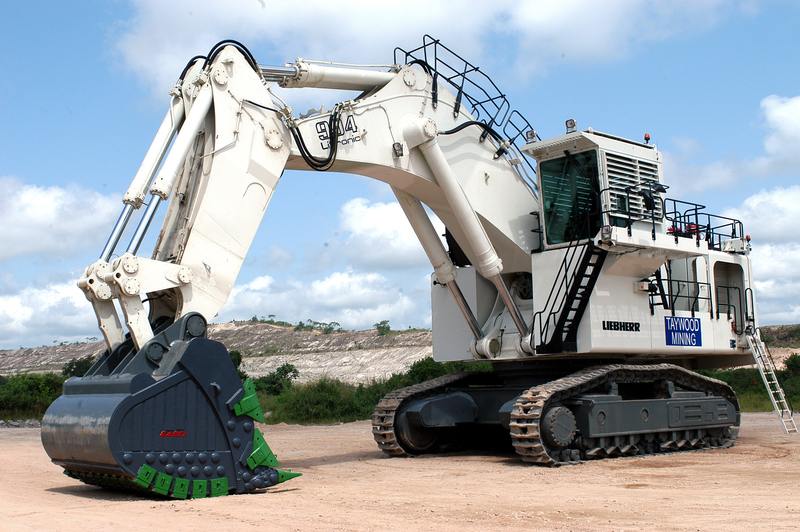
China's machinery manufacturing industry has long been a cornerstone of its economic growth, contributing significantly to both domestic production and foreign trade. The sector has witnessed rapid expansion over the years, driven by a combination of factors such as increased investment in R&D, advancements in technology, and government support policies. However, the recent global economic landscape, particularly the post-pandemic era, has posed new challenges for the industry. This article explores China's machinery manufacturing industry from a foreign trade perspective, highlighting current policy trends and their implications on the industry's future trajectory. Firstly, the rise of foreign trade in China's machinery manufacturing industry is a testament to the country's increasing integration into the global supply chain. The export of machinery and equipment has become a significant source of revenue for many manufacturers, particularly those involved in high-tech and precision equipment. The government's efforts to promote 'One Belt, One Road' (OBOR) initiative have further expanded China's footprint in international markets, fostering partnerships and collaborations with countries along the route. This has led to a surge in demand for specialized machinery and equipment, creating new opportunities for manufacturers to diversify their product lines and tap into new markets.However, the global economic downturn post-pandemic has resulted in a slowdown in demand for certain types of machinery, particularly in industries that were heavily impacted by lockdowns and supply chain disruptions. This has necessitated a shift in focus for many manufacturers towards more resilient and adaptable production models. The Chinese government has responded by introducing a range of policies aimed at supporting the industry's transformation and restructuring. These policies include incentives for research and development, support for small and medium-sized enterprises (SMEs), and measures to enhance the competitiveness of domestic products in international markets.One key policy initiative is the 'Made in China 2025' plan, which aims to upgrade the country's manufacturing sector by fostering innovation, improving quality, and promoting green development. This plan has had a profound impact on China's machinery manufacturing industry, encouraging manufacturers to invest in advanced technologies such as robotics, artificial intelligence (AI), and 3D printing. The government has also launched a series of initiatives to support the development of high-end equipment manufacturing, including providing financial assistance for R&D projects and setting up industrial parks for advanced manufacturing.Another trend that has emerged is the increasing importance of sustainable development in China's machinery manufacturing industry. The government has recognized the need to reduce carbon emissions and promote environmental protection, and this has led to a shift towards eco-friendly production methods and products. This is evident in the growing demand for green machinery and equipment, such as electric vehicles and renewable energy equipment. Manufacturers are now investing in technologies that can reduce energy consumption and waste generation, aligning with the country's commitment to achieving carbon neutrality by 2060.Despite these positive developments, challenges remain for China's machinery manufacturing industry. The trade tensions between China and certain countries have affected export markets, while domestic competition is intensifying as more players enter the market. Additionally, the rapid pace of technological change requires continuous investment in R&D to stay competitive. The industry must also address issues related to intellectual property protection and quality control to maintain its reputation in international markets.In conclusion,