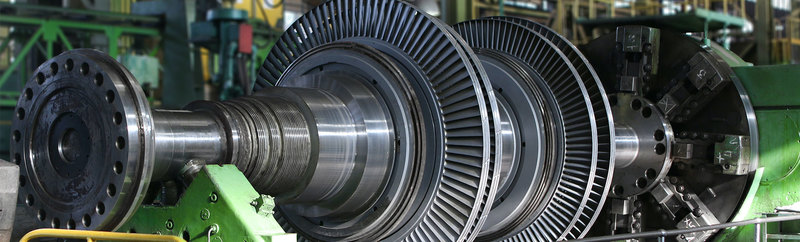
The global market for foreign trade machinery is experiencing a transformation fueled by automation, digitalization, and e-commerce growth. China\'s role as a key player has shaped this landscape through innovation and strategic partnerships. However, challenges such as maintaining a competitive edge amidst global competition, navigating complex trade regulations, and ensuring quality while maintaining cost-effectiveness require a holistic approach that prioritizes innovation, collaboration, and compliance with international standards.
The global market for has been witnessing a significant transformation in recent years, driven by the increasing demand for automation, technological advancements, and the rise of emerging markets. This transformation has not only created new opportunities for players in the industry but also posed several challenges that require strategic planning and adaptation. China, as a leading player in the global foreign trade machinery market, has played a pivotal role in shaping this landscape. By focusing on innovation, strengthening partnerships, and embracing new trade policies, China's machinery industry has positioned itself to take advantage of the current trends while navigating the challenges ahead.
One of the key drivers of this transformation is the shift towards automation and digitalization. The integration of advanced technologies such as artificial intelligence, robotics, and the Internet of Things (IoT) has led to the development of more efficient and precise machinery for various industries. This trend is particularly evident in the foreign trade sector, where automated systems are being utilized to enhance supply chain management, reduce errors, and increase productivity. Companies in China have been at the forefront of this development, investing heavily in research and development to stay ahead in this rapidly evolving market.
Another significant development is the rise of e-commerce, which has transformed global trade dynamics. The pandemic has further accelerated this trend, as online platforms have become essential for businesses to reach new markets and customers. , a prominent player in the foreign trade machinery industry, has leveraged this trend by offering a wide range of e-commerce solutions that enable seamless integration between production and distribution. This approach has not only expanded its customer base but also paved the way for new business models and revenue streams.
However, the path to success in this dynamic market is not without challenges. One of the primary challenges is maintaining a competitive edge amidst increasing global competition and the need for constant innovation. To stay ahead, companies must invest in R&D, foster collaboration with universities and research institutions, and adapt to changing consumer demands. Additionally, navigating complex international trade regulations and tariffs can be a significant hurdle for companies looking to expand their global footprint.
Another challenge is ensuring the quality and safety of foreign trade machinery while maintaining cost-effectiveness. With stringent regulations and standards set by various countries, it is crucial for manufacturers to comply with these requirements while maintaining a competitive edge. This balance can be achieved through strategic sourcing, quality control measures, and continuous improvement initiatives.
To address these challenges and capitalize on opportunities, companies in the foreign trade machinery industry must adopt a holistic approach that encompasses both short-term and long-term strategies. This includes investing in emerging technologies such as 5G, big data analytics, and blockchain to enhance operational efficiency and transparency. Additionally, fostering partnerships with local and international stakeholders can provide access to new markets, expertise, and resources.
In conclusion, the global market for foreign trade machinery is undergoing a profound transformation driven by technological advancements, e-commerce growth, and emerging market trends. China's role as a leading player in this industry has been instrumental in shaping this landscape. To navigate the opportunities and challenges presented by this transformation, companies must adopt a flexible and adaptable strategy that prioritizes innovation, collaboration, and compliance with international standards.