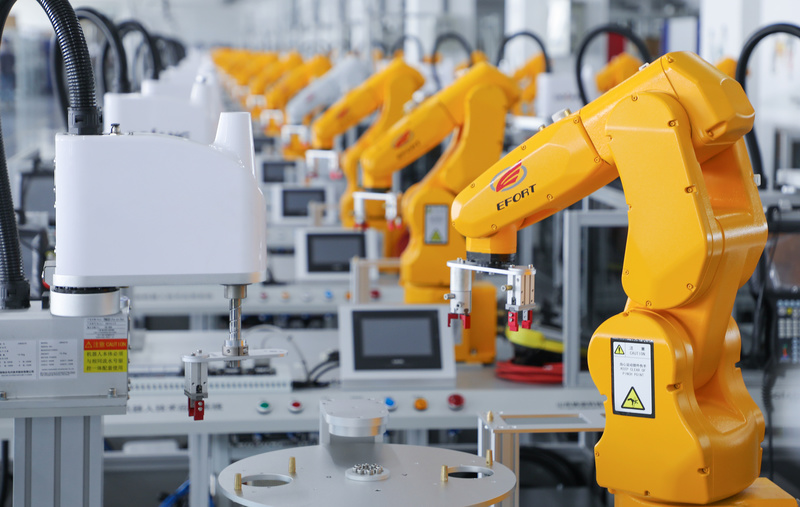
The machinery industry in China has been a cornerstone of the country's economic growth, playing a crucial role in supporting the development of various sectors, including construction, manufacturing, and agriculture. With the rapid pace of industrial transformation and the rise of emerging technologies such as artificial intelligence, the traditional role of machinery agents in China is undergoing a significant shift. This article delves into the current landscape of machinery agents in China, exploring their evolving functions amidst the ongoing digital transformation and the impact of recent policy initiatives on the industry.
The traditional function of machinery agents in China primarily involved serving as intermediaries between manufacturers and end-users, facilitating the distribution and sale of machinery and equipment. However, with the increasing adoption of digital platforms and e-commerce, this traditional model is undergoing a profound transformation. Machinery agents are now adopting digital tools to enhance their services, from providing online product catalogs and virtual showrooms to offering after-sales support through digital platforms. This shift is not only improving efficiency but also opening up new avenues for customer engagement and service personalization.
One of the significant policy initiatives that has influenced the machinery agent landscape in China is the government's push for green and sustainable development. The Chinese government has set ambitious targets for reducing carbon emissions and promoting renewable energy sources, which has led to a surge in demand for eco-friendly machinery and equipment. As a result, machinery agents are now expected to play a pivotal role in promoting these green technologies and ensuring their efficient distribution to end-users. This not only aligns with the government's objectives but also presents a significant opportunity for agents to differentiate themselves by offering eco-friendly solutions.
Another hot policy topic that has captured the attention of the machinery industry in China is the government's commitment to enhancing domestic innovation capabilities. The Chinese government has emphasized the importance of promoting domestic manufacturing and encouraging innovation within the industry. This has led to a wave of initiatives aimed at supporting local manufacturers, including providing financial incentives, tax breaks, and access to advanced technologies. As a result, machinery agents are now expected to play a more active role in facilitating collaboration between domestic manufacturers and international partners, helping to bridge the gap between advanced technologies and local production capabilities.
In addition to these policy initiatives, the rise of the digital economy has also reshaped the role of machinery agents. The integration of big data, cloud computing, and artificial intelligence into various aspects of the industry has created new challenges and opportunities for agents. For instance, data analytics is becoming crucial in predicting market trends, optimizing supply chains, and enhancing customer service. Machinery agents are now expected to possess the necessary digital skills to leverage these technologies effectively and provide value-added services to their clients.
The transition from a traditional to a more digital and sustainable model has not been without its challenges, however. The lack of skilled personnel, infrastructure limitations, and resistance to change from both manufacturers and end-users are some of the hurdles that machinery agents in China are currently facing. Nevertheless, with the support of government initiatives and continued investment in digital technologies, it is expected that these challenges will be overcome, paving the way for a more resilient and innovative machinery agent ecosystem in China.
In conclusion, the role of machinery agents in China is evolving rapidly as a result of ongoing industrial transformation, policy initiatives, and the rise of emerging technologies. While they continue to serve as essential intermediaries between manufacturers and end-users, they are now expected to embrace digital transformation, promote eco-friendly technologies, and facilitate collaboration between domestic manufacturers and international partners. As China continues to push for innovation and sustainability, machinery agents will play a crucial role in shaping the future of its industrial landscape.